Great Falls Best Roofing Company: Customer Reviews and Ratings
Great Falls Best Roofing Company: Customer Reviews and Ratings
Blog Article
Understanding the nuances between commercial and residential roofing is crucial when evaluating roofing choices. Both types cater to different needs, incorporate a variety of materials, and necessitate unique installation techniques. This guide will delve into these variances to assist property owners in making knowledgeable decisions. Be it a new roof installation or a repair job on an existing structure, selecting the appropriate type can dramatically affect durability and overall performance at. Great Falls best Roofing Company guide. The materials utilized for roofing significantly differ between commercial and residential properties. On residential buildings, you will commonly find roofing made from asphalt shingles, clay tiles, or metal. These materials are selected for their visual appeal, cost-effectiveness, and their ability to effectively channel rain and snow away. For example, asphalt shingles offer a traditional aesthetic, while metal roofing can boast a longer lifespan and often includes energy-efficient features. In contrast, commercial roofing tends to rely on materials such as EPDM rubber, TPO, or modified bitumen, which are better suited for flat or low-slope roofs. These materials prioritize strength and durability rather than appearance. Additionally, commercial roofs require precise installation methods with extensive nailing to endure harsh weather conditions and maintain their integrity over time. The differences in structure between commercial and residential roofing systems are quite notable. Commercial roofs often have intricate insulation and ventilation systems due to their larger areas that need to be covered. They may include elements such as roof drains and considerable HVAC units that are rarely necessary in residential settings. Furthermore, commercial roofing systems must withstand heavier weights, making them capable of supporting rooftop maintenance, equipment storage, and solar panel installations. The decision to use either a flat or sloped roof often corresponds with practical needs; flat roofs can offer space for HVAC systems and other utilities that are essential for business operations. When weighing costs, commercial roofing can be more expensive upfront due to the need for more durable materials and specialized installation techniques. However, this investment can pay off in the long run with reduced maintenance costs and extended lifespans. Regular inspections and timely repairs are crucial in prolonging the life of both commercial and residential roofs. While residential roofs typically require routine inspections every few years and may need replacement after 20-25 years, commercial roofs can last 30 years or more with proper care. Selecting a reliable roofing provider is vital, whether for your home or business. Look for a company with a solid reputation in your locality, such as the Great Falls best Roofing Company, known for both residential and commercial work. Ensure the company you choose has experience with the specific type of roofing you require, such as Great Falls best Commercial Roofing services. Always ask for references and verify licenses and insurance. It's essential that these professionals are well-versed in the materials and techniques suited for either type of roofing. For further insights into roofing options, consult the article on roof systems.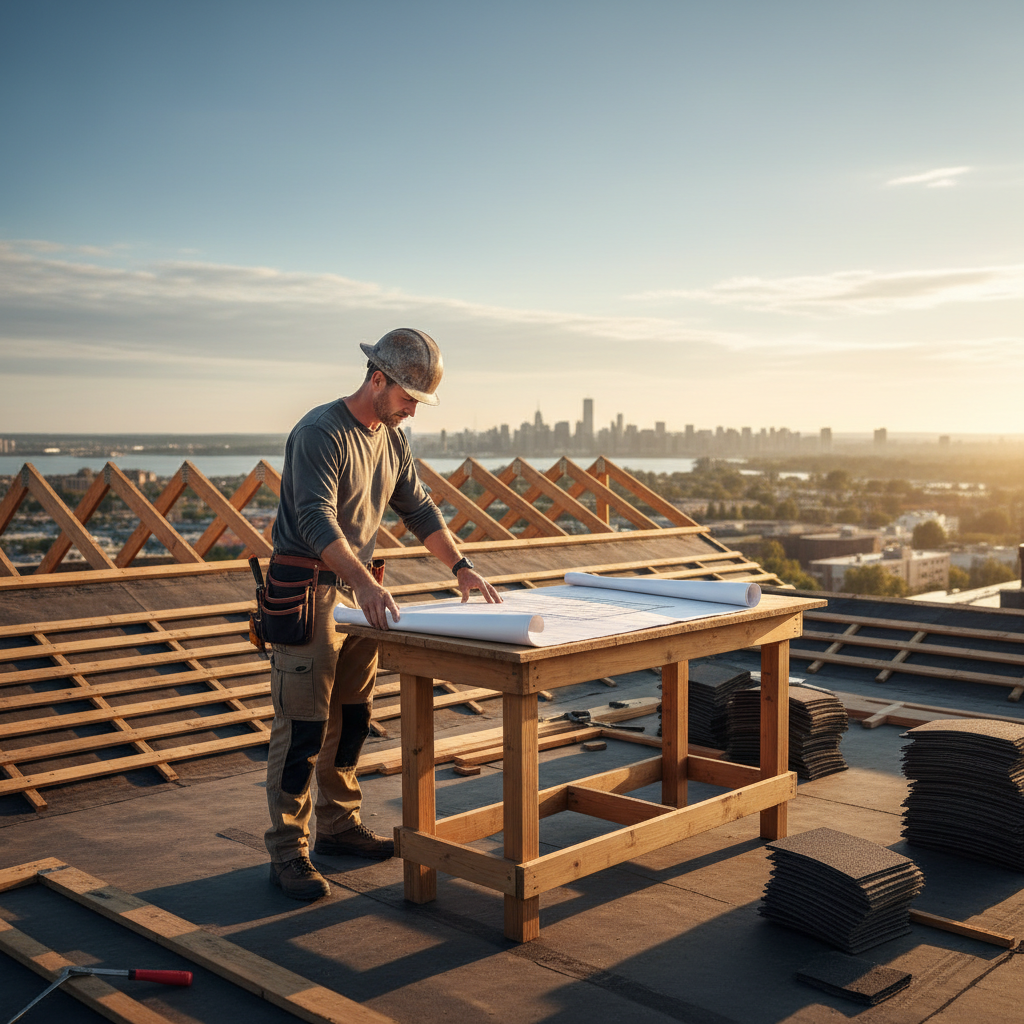 roof installroof install
Material Differences and Choices
Understanding Roofing Systems
Cost Considerations and Maintenance
Choosing the Right Roofing Company
Commercial Roofing report vs Residential roofing
Steps to Make the Right Choice
- Assess your building type: Determine whether your structure is residential or commercial to guide material selection and roofing style.
- Consider your budget: Look at both initial costs and lifecycle expenses, including potential maintenance over time.
- Research materials: Explore the best materials suited for your roofing needs, balancing durability with aesthetic preferences.
- Consult professionals: Engage the Great Falls best Roofing Company to gain insights on your specific roofing requirements and conditions.
- Evaluate warranties: Check the warranty conditions for both materials and labor to ensure long-term protection.
- Plan maintenance strategies: Establish a routine maintenance plan to ensure the longevity and health of your roof, irrespective of its type.
Helpful Tips for a Successful Roofing Experience
Investing in your roof is critical. Make sure to involve a professional team for inspections and installation to ensure longevity and effectiveness.
- Prioritize quality over cost when selecting materials to avoid frequent repairs.
- Schedule regular inspections, especially in changing weather conditions.
- Ask the contractor about their experience with both residential and commercial projects.
- Explore local roofing companies to find specialists familiar with the climate in your area.
- Stay informed about current trends in roofing materials that may offer better performance.
Frequently asked questions
What distinguishes commercial roofing from residential roofing?
The main distinction is found in the types of materials and design; commercial roofs are typically flat and constructed with robust materials, whereas residential roofs are generally sloped and utilize shingles or tiles.
What is the lifespan of commercial roofs compared to residential roofs?
Commercial roofs usually have a longer lifespan, often surpassing 30 years with appropriate maintenance, while residential roofs typically require replacement every 20 to 25 years.
Which materials are ideal for residential roofing?
Popular options consist of asphalt shingles, clay tiles, wood shakes, and metal roofing, each providing various advantages tailored to residential needs.
Are commercial roofing systems typically pricier than residential ones?
Indeed, commercial roofing systems usually require costlier materials and installation methods, yet they can offer overall savings through enhanced durability and efficiency.
What factors should I consider when selecting a roofing company?
Seek a roofing company with a solid local reputation, confirmed experience in the specific roof type, and favorable customer feedback.
Is it beneficial to invest in high-quality roofing materials?
Investing in premium roofing materials typically leads to improved longevity, efficiency, and the potential for reduced repair expenses over time.